

15 October 2026
Research Shouldn’t End in Journals: Turning Human Performance Science Into Warfighter Readiness
Throughout my career as an Army veteran, former Director of Human Performance and Wellness for Army Special Operations, Deputy Director of Athletics at West Point, and research oversight leader working with The Geneva Foundation, I have seen the value of scientific discovery across military operations, human performance, and brain health research. But research cannot fulfill its potential if the knowledge it generates remains confined to academic journals. Supporting Soldiers, Cadets, and military families reinforced a simple belief: research achieves its greatest impact when findings are translated into practical solutions that improve health outcomes, inform decision-making, enhance readiness, and strengthen operational effectiveness.
In human performance optimization, the stakes are particularly high. Service members operate in environments that place extraordinary demands on the body and brain. Understanding how those demands affect performance is essential, but understanding alone does not improve outcomes. We must translate that knowledge into approaches that protect health, inform care, and strengthen operational readiness.
Better Research, More Informed Recovery
Human performance research can provide valuable insight into how physical strain, repetitive exposures, and cognitive demands affect Service members over time.
For example, research examining balance, reaction time, cognitive function, and other physiological measures could help clinicians identify changes in performance that might otherwise go unrecognized. When validated and incorporated into clinical assessments, these findings could provide a more complete picture of a Service member’s health and recovery.
This has important implications for rehabilitation and return-to-duty decisions. Rather than relying solely on symptoms or isolated assessments, clinicians could use objective measures to evaluate recovery, guide individualized interventions, and better understand whether a Service member is prepared to resume demanding operational activities.
The goal is not simply a faster return to duty. It is a safer, more informed return that protects long-term health while helping Service members regain and sustain operational capabilities.
These are the outcomes that should drive research priorities from the beginning.
Putting Research to Work for the Warfighter
The Warfighter Brain Health Pilot Project, which I help lead, demonstrates how research can be structured around real operational challenges.
As part of the group’s Human Weapons System program, the program focuses on advancing brain protection and strengthening the long-term health and readiness of Special Operations Forces personnel. The team identifies Warfighter-driven requirements and accelerates research, development, testing, and evaluation to develop practical solutions.
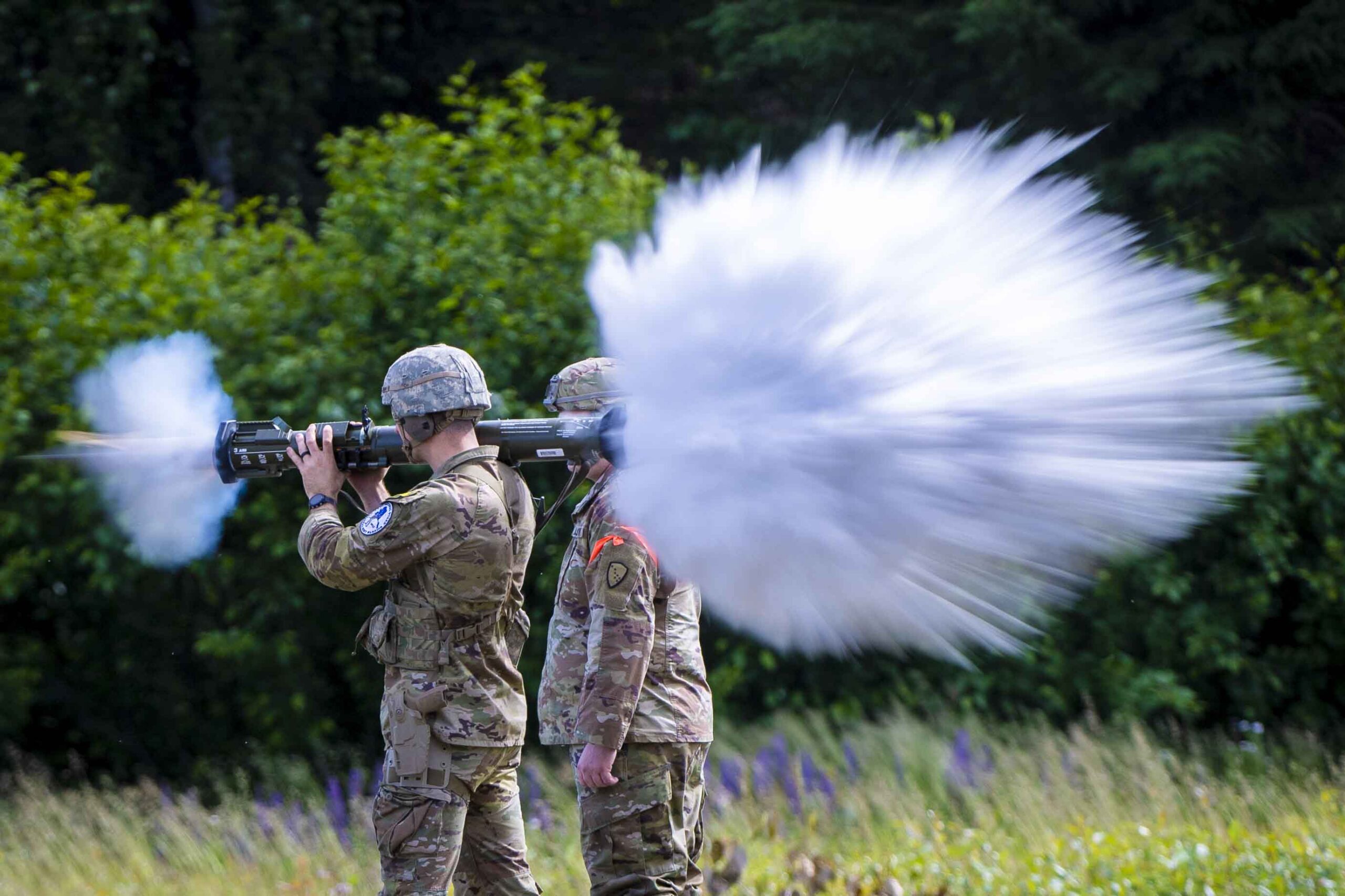
One area of focus is understanding the effects of repetitive blast exposure on brain health and human performance.
Our work examines neurophysiological, clinical, cognitive, and performance measures to better characterize potential impairment and inform approaches to earlier recognition, treatment, and recovery.
But identifying relationships between blast exposure and clinical biomarkers is only part of the mission. We must also consider how emerging assessment tools and monitoring technologies could help clinicians and operational leaders make better-informed decisions.
Longitudinal monitoring, for example, could eventually provide a more comprehensive understanding of how exposure and performance change throughout a military career. This could inform earlier intervention, more individualized care, and decisions that balance immediate mission requirements with long-term health.
The approach emphasizes evaluating emerging capabilities in relevant operational environments, incorporating feedback, and refining solutions with the people who will ultimately use them.
That is how research begins moving beyond publication and toward meaningful application.
Closing the Gap Between Discovery and Impact
Too often, research is designed around questions that may take years to answer without a clear pathway for applying the findings.
Meaningful military medical research must begin with Warfighter-identified needs and maintain a connection to those needs throughout the research process.
Researchers, clinicians, and operational leaders should work together to establish practical objectives, identify opportunities for interim findings, and evaluate promising approaches in real-world settings.
Clinical professionals must also have opportunities to assess emerging capabilities and determine how validated findings could fit within existing care practices. This collaboration helps ensure research is not only scientifically meaningful but also relevant to the people responsible for Service member health and performance.
Organizations like Geneva contribute by providing research infrastructure, specialized personnel, and sustained collaboration with military units and clinical experts to help move research toward practical application.
Scientific rigor remains essential. But we should also be willing to adapt research approaches, establish actionable milestones, and accelerate the responsible evaluation of promising solutions.
The True Measure of Research Success
Human performance optimization is ultimately about protecting the health and capabilities of Service members throughout their careers.
When research moves into practice, it creates opportunities for earlier identification of health concerns, more informed recovery, comprehensive care, and better decisions about operational readiness. These benefits extend beyond the individual, contributing to the health and resilience of the force.
Publication is an important part of scientific progress, but it should never be the endpoint of research intended to address operational challenges.
Research shouldn’t end in journals because Service members need more than scientific knowledge. They need that knowledge translated into solutions that protect their health, preserve their performance, and prepare them for the missions ahead.

Mark Ray
Program Manager and Principal Investigator, Warfighter Brain Health Pilot Project