

28 October 2026
Military-Civilian Coalition Selected for ASPR Funding to Strengthen Trauma Care and Emergency Readiness
An initiative bringing together six military and civilian trauma centers across western Washington is among four projects selected nationwide for funding through the Administration for Strategic Preparedness and Response (ASPR) Trauma Care Readiness and Coordination Program. The selection recognizes a regional effort to strengthen military-civilian trauma care and emergency preparedness.
The Western Washington Trauma and Emergency Care Coalition (W2TEC2) brings together Madigan Army Medical Center and five civilian trauma centers to improve how hospitals share information, coordinate patient transfers and respond to emergencies. COL Martin Schreiber, MD, FACS, principal investigator, and COL Erik Roedel, MD, co-investigator, of Madigan Army Medical Center played instrumental roles in bringing the six institutions together around a shared approach to regional trauma and emergency care readiness.
Connecting Military and Civilian Trauma Systems
Western Washington occupies a critical position in both national defense and civilian emergency preparedness. The region is home to military installations and millions of civilian residents, with medical facilities that must be prepared to respond to natural disasters, public health emergencies and potential military casualty surges.
Despite established relationships among regional trauma centers, hospitals lack a shared, continuously updated view of available beds, specialty services and other critical medical resources. This limitation can complicate patient transfers and delay access to appropriate care, particularly when multiple facilities experience increased demand.
The coalition aims to address this challenge by connecting six major trauma centers along Washington’s Interstate 5 corridor, with plans to extend coordination capabilities to as many as 20 hospitals.
Participating institutions include Madigan Army Medical Center, MultiCare Tacoma General Hospital, St. Joseph Medical Center in Tacoma, Harborview Medical Center, Providence Regional Medical Center Everett, and PeaceHealth St. Joseph Medical Center in Bellingham.
“No single hospital can prepare for every emergency on its own,” said COL Schreiber. “By bringing military and civilian trauma centers together, we’re building a regional approach that draws on the expertise and capabilities of each institution to better care for patients and prepare for large-scale emergencies.”
Improving Patient Care Through Real-Time Coordination
A central component of the initiative is the planned implementation of a regional technology platform that will provide near-real-time information about hospital capacity and available medical services.
Using GE HealthCare’s Command Center software platform, participating hospitals will be able to share information about available beds, specialty services and other critical resources to inform regional care decisions.
For an injured Service member or civilian patient, improved coordination could mean faster identification of a hospital equipped to provide the necessary treatment, fewer delays in transferring between facilities and more efficient access to specialized trauma and emergency care.
Another component of the initiative involves adapting and sharing evidence-based military trauma care guidelines for civilian application, drawing on practices developed through the Committee on Tactical Combat Casualty Care and the Joint Trauma System.
Together, these efforts are intended to improve access to timely emergency care, preserve specialized trauma resources and strengthen the region’s ability to manage patients during disasters and military contingencies.
Building Readiness Through Collaboration
For military medicine, the initiative addresses an important preparedness challenge: ensuring regional health care systems can accommodate injured Service members returning from large-scale combat operations while continuing to care for civilian populations.
The project will establish infrastructure to help participating institutions evaluate patient transfers, triage decisions, and clinical outcomes, creating opportunities to improve regional coordination and care delivery.
“When a patient needs specialized trauma care, knowing where those resources are available can make a meaningful difference,” said COL Roedel. “Our goal is to give hospitals better information to make those decisions, whether they’re managing everyday emergencies or responding to a large-scale casualty event.”
The Geneva Foundation serves as the lead applicant and award administrator, providing grant management, contractual coordination and regulatory oversight to facilitate implementation across participating military and civilian institutions.
The initial project will establish a foundation for broader coordination across Washington state, with the long-term goal of developing a scalable model for regional trauma and emergency care readiness.
By bringing together military medical expertise, civilian trauma capabilities and regional health care resources, the coalition aims to strengthen access to lifesaving care while building a more coordinated response to future emergencies.
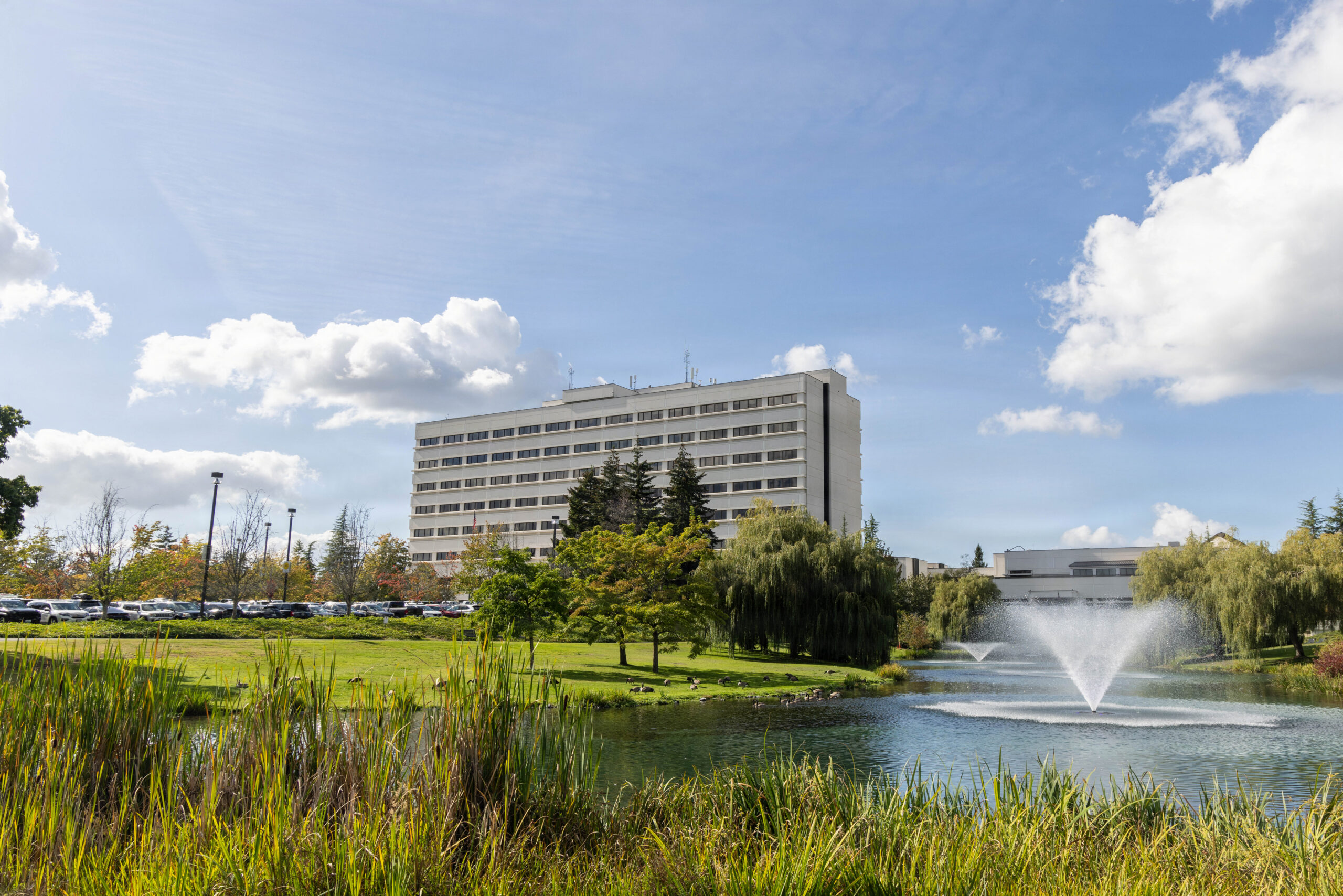
One of four organizations selected nationwide, The Geneva Foundation will collaborate with Madigan Army Medical Center and regional trauma centers to strengthen emergency care, disaster preparedness, and military medical readiness.

Amy Lyons
Strategic Communications